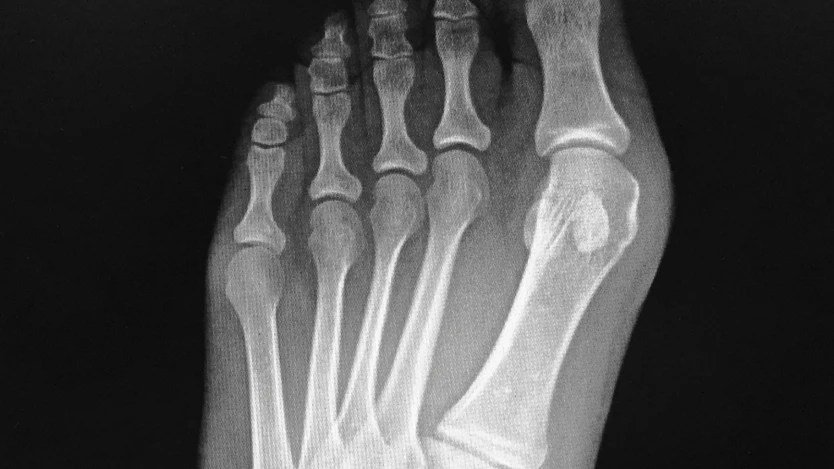
You've made the decision to address your bunion, and the surgery is complete. Now comes the crucial phase: Bunion Surgery Recovery: Timeline, Pain Management, and Rehabilitation. This isn't just about healing a physical wound; it's a journey requiring patience, realistic expectations, and a commitment to your body's gradual return to form. While bunion surgery is a common and highly successful procedure, understanding the recovery process is key to a smooth, complication-free path back to your feet.
This guide is designed to be your roadmap, helping you prepare mentally and physically, recognize normal progress, manage discomfort, and navigate the rehabilitation steps that will ultimately determine the success of your surgery. Remember, your doctor will tailor this plan based on your specific procedure, X-ray findings, healing rate, and overall health, but the general milestones outlined here provide a solid framework. Expect full recovery to span anywhere from 6 months to a full year.
At a Glance: Your Bunion Surgery Recovery Journey
- Initial Weeks (0-2): Focus on protection, elevating your foot, icing, and strict pain management. You'll likely wear a wedge post-op sandal or surgical boot, with limited weight-bearing on the heel.
- Early Healing (Weeks 2-6): Stitches out, initial X-rays, and the gentle introduction of toe movement exercises. You'll remain in protective footwear.
- Transition Phase (Weeks 6-12): Doctor confirms bone fusion, you'll gradually transition to supportive shoes, and low-impact activities like cycling or swimming may be introduced. Walking becomes more comfortable.
- Building Strength (12 Weeks+): Gradually increase activity, focus on strengthening and balance, and work towards returning to full activity, potentially including light jogging as cleared by your surgeon.
- Full Recovery: Can take 6 months to 1 year, with subtle swelling possibly lingering after activity.
- Key to Success: Diligent follow-through on doctor's instructions, consistent physical therapy, and listening to your body.
Before diving into the intricate details of recovery, you might still be weighing the decision itself. If you're exploring whether this path is truly for you, consider reading more about Is bunion surgery right for you? to gain a broader perspective on the procedure's potential benefits and considerations.
The First Fortnight: Protection Is Paramount (Weeks 0-2)
The initial two weeks after bunion surgery are all about safeguarding the surgical correction, meticulously controlling swelling, and allowing the delicate fusion site (if applicable to your procedure) to begin its crucial healing process. This phase demands your utmost attention and adherence to post-operative instructions.
Footwear and Weight-Bearing
Immediately following surgery, you'll be fitted with a wedge post-op sandal or a surgical boot. The design of the wedge sandal specifically helps you bear weight on your heel, effectively keeping pressure off the front of your foot where the surgery occurred. You'll generally be allowed to bear weight as tolerated on the heel within this protective footwear. However, full weight-bearing on the operated foot is usually off-limits. You'll likely need to use crutches or a walker to maintain balance and avoid putting excessive stress on your healing foot.
Pain Management: Staying Ahead of Discomfort
Pain is an expected part of recovery, but it can be effectively managed. Your doctor will likely prescribe a combination of medications, which may include opioids for acute pain and acetaminophen (like Tylenol). It's crucial to take these as directed, not waiting for pain to become severe before taking a dose.
Important note: Non-steroidal anti-inflammatory drugs (NSAIDs) such as ibuprofen are typically avoided during this initial period, as they can interfere with bone healing. Swelling usually reaches its peak during these first two weeks, so managing it aggressively is key to reducing discomfort.
Wound Care and Comfort
- Elevation: This is your best friend for reducing swelling. Elevate your foot as much as possible, ideally keeping it above the level of your heart. When resting, use pillows to prop it up comfortably.
- Ice: Apply ice packs as instructed by your medical team. Ice helps to constrict blood vessels, further reducing swelling and providing localized pain relief. Ensure you use a barrier (like a towel) between the ice pack and your skin to prevent frostbite.
- Wound Care: Follow all instructions for dressing changes and wound care meticulously. Keeping your bandages dry is paramount to prevent infection. You'll likely need to modify bathing to avoid getting the surgical site wet.
This period is your designated time for rest. Focus on protecting the surgical correction and allowing the critical early stages of healing to unfold without interruption.
Gently Forward: Early Healing and Movement (Weeks 2-6)
As you transition out of the immediate post-operative haze, the focus shifts to ensuring continued healing while gently reintroducing movement to prevent stiffness. This phase often marks your first follow-up visit with the surgeon.
First Follow-Up and X-rays
Your initial follow-up appointment usually falls within this timeframe, around day 10 to 14 post-surgery. During this visit, your surgeon will remove any sutures and change your bandages. This is also when your doctor will likely perform an initial X-ray to assess how the bone is healing and confirm the stability of the surgical correction.
Continued Protection and Weight-Bearing
You'll typically continue to wear your wedge post-op sandal or a surgical boot during these weeks. The goal remains to avoid putting direct pressure on the front of your foot, especially if you had a fusion procedure (like Lapiplasty®) where bone growth is essential. Depending on the specific procedure and your surgeon's assessment, some patients may be cleared for limited or partial weight-bearing within the surgical boot. Always adhere strictly to your doctor's instructions regarding weight-bearing.
Gentle Movement Introduction
This is where rehabilitation truly begins. Your doctor or a physical therapist will guide you in performing gentle range of motion (ROM) exercises for your big toe. The objective is to gradually restore mobility, aiming to match the flexibility of your unoperated foot over time. These exercises are crucial for preventing stiffness and promoting healthy joint movement. It's vital to perform them safely and without forcing movement, as overdoing it can jeopardize healing.
This phase is a delicate balance: continued careful protection of the healing tissues while proactively preventing joint stiffness through controlled, gentle mobility.
Stepping Up: Transitioning to Supportive Footwear and Increased Activity (Weeks 6-12)
Around the six-week mark, a significant milestone is typically reached. With your surgeon's approval, you'll begin to move away from the highly restrictive post-operative footwear and towards more conventional, supportive options, along with increasing your activity levels.
Re-evaluation and Bone Fusion Confirmation
At approximately six weeks, you'll have another follow-up appointment, which will include new X-rays. These images are critical for your surgeon to assess the progress of bone healing and confirm that sufficient bone fusion has occurred. This confirmation is a key green light for advancing your recovery.
The Footwear Transition
Once your doctor verifies adequate bone healing, you can begin the exciting transition from your wedge sandal or surgical boot. The shift isn't straight into fashion footwear; instead, you'll move to supportive shoes with proper arch support. These shoes play a vital role in stabilizing your foot as you start to return to a more natural walking pattern. Many patients find success with wide, supportive athletic sneakers. By weeks 7 and 8, supportive sneakers or orthopedic shoes are generally well-tolerated and recommended. This transition is gradual, allowing your foot to adapt to less support.
Expanding Activity and Rehabilitation
- Continued ROM: Your big toe range of motion exercises will remain a priority.
- Physical Therapy: If you haven't started already, your doctor might recommend formal physical therapy. A therapist can introduce gentle strengthening exercises for your foot and ankle, along with gait training to help you re-establish a normal walking pattern, correcting any compensatory habits you might have developed.
- Low-Impact Activities: After weeks 7 and 8, and with your surgeon's explicit clearance, you may be able to introduce low-impact activities such as stationary cycling or swimming. These activities offer excellent cardiovascular benefits without putting undue stress on your healing foot.
- High-Impact Activities: Activities like running, jumping, or sports with sudden changes in direction are still strictly off-limits during this phase.
Pain and Swelling Expectations
This period often brings a noticeable improvement in comfort and functional ability as your walking mechanics normalize. While you should experience minimal pain, a mild ache might still occur, particularly towards the end of a busy day. Swelling can also persist, especially after prolonged periods of activity or standing. Continue to elevate and ice as needed to manage any lingering puffiness.
By three months post-surgery, most patients are walking comfortably and resuming many of their normal daily activities. This is a significant milestone, signifying substantial progress in your recovery journey.
The Long Game: Building Strength and Returning to Life (12 Weeks and Beyond)
Beyond the initial three months, your recovery shifts from critical healing to strengthening, regaining full function, and progressively returning to all your desired activities. This phase emphasizes consistency and a mindful approach to activity escalation.
Gradual Increase in Activity
With your surgeon's ongoing guidance, you can slowly but surely increase your daily activities as tolerated. This means listening to your body and avoiding pushing through pain. Once your doctor gives the green light, often between 3 to 6 months, you may begin to introduce dynamic weight-bearing exercises, which could include light jogging. This return to higher-impact activities is always a gradual process, often guided by a physical therapist to ensure proper form and prevent re-injury.
Long-Term Goals for Optimal Function
The overarching goals during this extended recovery period include:
- Restoring Strength: Rebuilding the strength in your foot, ankle, and calf muscles.
- Improving Balance: Enhancing your stability to prevent falls and improve confidence.
- Normalizing Gait: Refining your walking pattern to be smooth and efficient.
- Maintaining Flexibility: Ensuring the big toe retains its achieved range of motion to support comfortable movement.
- Supportive Footwear: Continuing to wear supportive footwear, especially during high-impact activities, will provide ongoing protection and stability.
Footwear Freedom
By three months, you may be able to return to wearing your regular shoes, provided they fit well and do not put pressure on your toes. Always prioritize comfort and support. Avoid shoes with narrow toe boxes or high heels, as these can undo the benefits of your surgery and potentially lead to recurrence of bunion symptoms.
The Path to Full Recovery
It's important to remember that full recovery can take 6 months to 1 year, and this timeframe can vary significantly depending on the specific surgical procedure you underwent and your individual healing factors. Even after a year, some subtle swelling might linger, especially after long periods of activity or standing. This is generally normal and tends to diminish over time. Your commitment to ongoing foot care, appropriate footwear, and any recommended exercises will contribute significantly to your long-term success.
Your Blueprint for Optimal Recovery
Achieving the best possible outcome from your bunion surgery is largely within your control. By adhering to these critical recommendations, you empower your body to heal effectively and maximize your functional recovery.
- Follow All Post-Operative Instructions Carefully: This is non-negotiable. Your surgeon's instructions are tailored to your specific case and are designed to guide you safely through each stage of healing.
- Elevate and Ice Consistently: Especially in the first few weeks, keeping your foot elevated (above your heart) and applying ice as directed are powerful tools for managing swelling and pain. Don't underestimate their impact.
- Prioritize Supportive Footwear: Even after you've transitioned out of the surgical boot, always choose shoes that offer ample support and a wide toe box. Avoiding flimsy or unsupportive footwear is crucial for maintaining the surgical correction and preventing future issues.
- Be Consistent with Physical Therapy (If Prescribed): Whether formal sessions or at-home exercises, adhering to your rehabilitation plan is vital. Physical therapy helps restore strength, flexibility, and proper gait, which are essential for long-term success.
- Listen to Your Body: This is perhaps the most important advice. Do not try to rush your recovery or push through pain. Pain is your body's signal that something isn't right or that you're overdoing it. Gradual progression is key; forcing it too soon can lead to setbacks or complications.
Red Flags: When to Call Your Doctor
While minor discomfort and swelling are normal during recovery, certain symptoms warrant immediate medical attention. Don't hesitate to reach out to your surgeon or care team if you experience any of the following:
- Severe or Worsening Pain: Pain that is intense, unmanageable with prescribed medication, or suddenly gets much worse.
- Signs of Infection: This includes significant redness around the incision site, warmth to the touch, pus or excessive drainage, or a fever.
- Persistent Numbness or Tingling: While some temporary numbness is normal due to nerve block or manipulation, persistent or worsening numbness/tingling that doesn't improve should be reported.
- Difficulty Walking Beyond Your Doctor's Allowed Timeline: If you're struggling to bear weight or walk comfortably well past the point your doctor said you should be able to, it's time to check in.
- New or Unusual Swelling: Sudden, excessive swelling, especially if accompanied by pain, can indicate a problem.
Your recovery from bunion surgery is a testament to your resilience and commitment. By embracing the timeline, proactively managing pain, diligently following your rehabilitation plan, and staying vigilant for any warning signs, you're paving the way for a successful outcome and a future with healthier, happier feet.