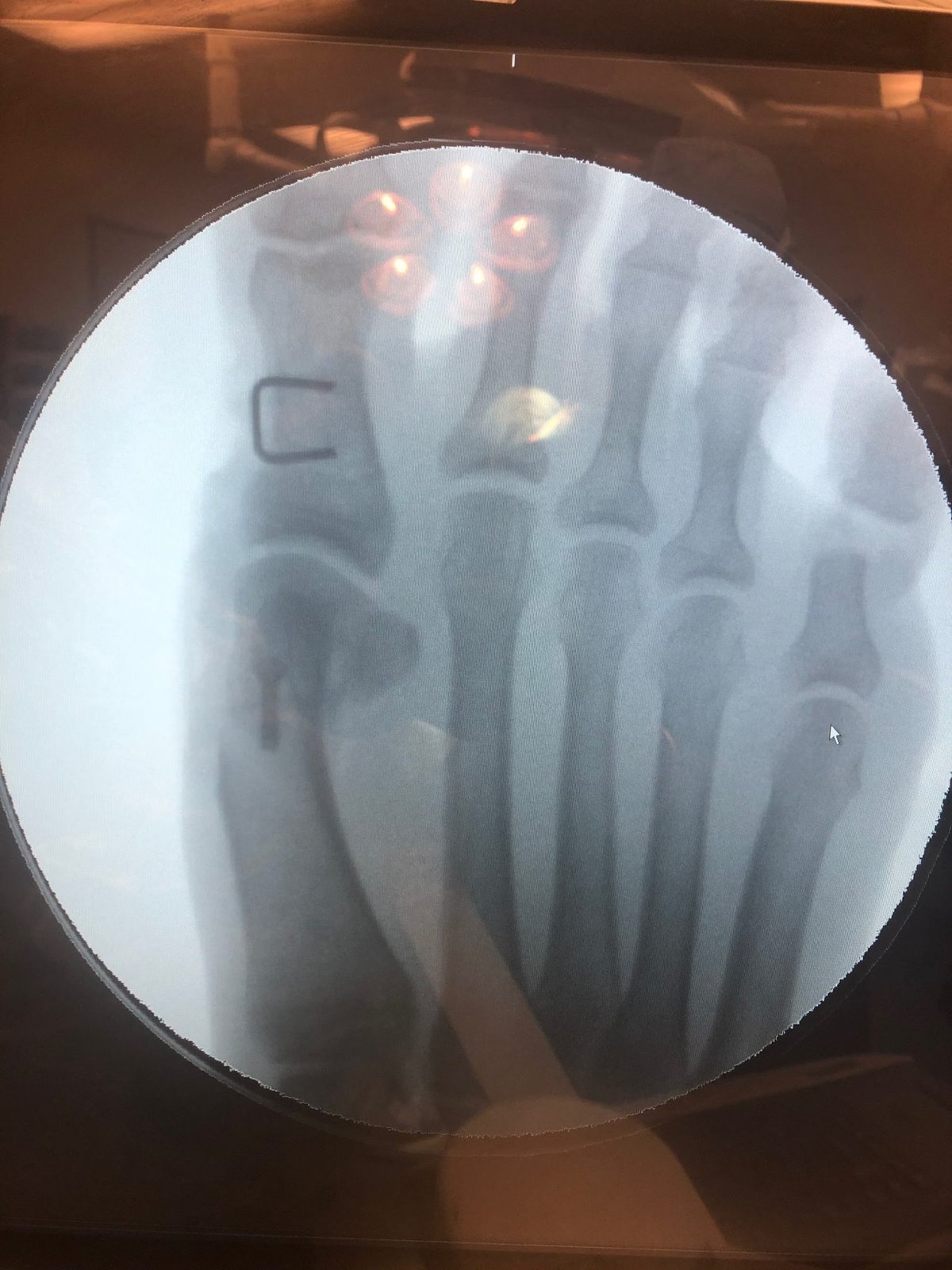
Living with chronic foot pain from bunions can feel like a constant battle, impacting everything from your daily comfort to your favorite activities. That nagging ache, the struggle to find comfortable shoes, and the visible deformity can leave you wondering if there's a real solution. For many, bunion surgery—or bunionectomy—emerges as a potential answer, promising relief and a return to normal life. But is it truly worth it?
This isn't a simple yes or no question. Deciding to undergo bunion surgery is a deeply personal journey, one that involves carefully weighing the potential benefits against the risks, understanding the recovery process, and exploring all available options. Here, we’ll break down everything you need to know, guiding you through the considerations so you can make an informed choice for your foot health and overall well-being.
Understanding Your Bunion: More Than Just a Bump
A bunion, medically known as hallux valgus, is more than just a visible bump on the side of your foot near the big toe. It's a progressive deformity where your big toe gradually leans towards your other toes, pushing the joint out of alignment. This misalignment creates that characteristic bony protrusion, often leading to pain, inflammation, and difficulty wearing shoes. A similar, though less common, condition is a Tailor's Bunion or Bunionette, which forms on the outside of your foot at the base of your little toe.
The pain from a bunion can range from mild discomfort to severe, debilitating agony. It can hinder your ability to walk, stand, and participate in physical activities, significantly impacting your quality of life. Understanding the mechanics of your bunion and its impact is the first step in exploring treatment paths.
Before the Blade: Exploring Non-Surgical Paths
Before considering surgery, most healthcare professionals will recommend a range of conservative, non-surgical treatments. These are often the first line of defense against bunion pain and can be surprisingly effective for many individuals, especially in the early stages of the deformity. Trying these methods first helps to determine if your pain can be managed without invasive procedures.
Conservative approaches focus on alleviating symptoms, protecting the bunion, and preventing further progression. This often begins with simple changes like opting for shoes with a wider toe box, which can significantly reduce pressure and discomfort. Custom orthotics, molded specifically for your foot, can also redistribute pressure and provide support, making walking much more comfortable. Additionally, targeted physical therapy can strengthen foot muscles and improve joint mobility, while over-the-counter pain relievers and anti-inflammatory medications offer temporary relief from pain and swelling. Exploring these options thoroughly is crucial for anyone wrestling with chronic bunion pain, as they can sometimes delay or even negate the need for surgery. To delve deeper into these crucial initial steps and understand when surgery becomes a necessary consideration, you should explore our guide on Deciding on surgery or alternatives.
When Surgery Enters the Conversation: Is it Time?
Bunion surgery is typically considered when conservative treatments have failed to provide adequate relief, or when the bunion causes severe pain, significantly limits daily activities, or leads to complications like arthritis. It’s not a decision to be taken lightly, but for those whose lives are severely impacted, surgery can offer a dramatic improvement.
The goal of bunionectomy is not just to remove the bony bump, but also to realign the toe joint, restoring proper foot function. Your doctor will assess the severity of your bunion, your pain levels, and your overall health to determine if surgery is a suitable option for you.
Navigating Your Surgical Options: What Procedure is Right for You?
If you and your doctor decide that surgery is the best course of action, it's important to understand that there isn't a single "bunion surgery." Instead, there are several different types of procedures, each tailored to the specific characteristics of your bunion, its severity, and your individual circumstances. The most common types include:
- Osteotomy: This involves cutting and realigning the bone in your big toe to correct the deformity. It's one of the most frequently performed bunion surgeries.
- Exostectomy: A simpler procedure that focuses solely on removing the bony bump without realigning the toe joint. This is typically used for less severe bunions.
- Arthrodesis: In cases of severe arthritis or an inability to correct the joint through other means, this procedure fuses the joint to stabilize the toe.
- Resection Arthroplasty: This involves removing the damaged portion of the joint, often considered for older patients or those with severe arthritis.
Each procedure has its own benefits, risks, and recovery expectations. A thorough discussion with your orthopedic surgeon will help determine which approach is best suited for your specific needs. Understanding these distinctions is key to feeling prepared for your procedure, so be sure to Explore Bunion Surgery Options in detail.
Weighing the Scales: Benefits vs. Risks of Bunion Surgery
Like any surgical procedure, bunion surgery comes with a set of potential benefits and risks. For many, the prospect of significant pain relief and improved quality of life makes surgery an appealing choice, but it’s crucial to have a clear understanding of both sides of the coin.
The Life-Changing Benefits You Could Experience
For individuals suffering from severe bunions, the benefits of surgery can be life-changing. The primary and most significant advantage is pain relief, allowing you to walk, stand, and engage in activities without constant discomfort. This often leads to improved foot function and mobility, helping you regain independence and participate more fully in life. Furthermore, surgery can enhance your ability to wear a wider range of footwear, freeing you from the restrictive shoes you might currently depend on. Beyond immediate relief, it can also prevent further complications, such as the development of arthritis in the affected joint. Ultimately, successful bunion surgery often results in a better overall quality of life.
Understanding the Potential Downsides and Risks
While relatively rare, it's important to be aware of the potential risks associated with bunion surgery. These can include infection, which is a concern with any surgical incision, and nerve damage, which might lead to numbness or altered sensation in the foot. Blood clots are another potential, though infrequent, complication. Some patients may experience poor wound healing, stiffness in the toe joint, or even persistent pain after the surgery. There's also a possibility, albeit small, of bunion recurrence, especially if the underlying biomechanical issues aren't fully addressed. For a comprehensive look at what could go wrong and how these outcomes are managed, it’s vital to review the Risks and downsides of bunion surgery.
The Road to Recovery: What to Expect After Bunion Surgery
Recovery is a crucial phase after bunion surgery, and understanding what to expect can significantly ease the process. While modern techniques often result in minimal post-operative pain—typically manageable for 2-3 days with medication—the full recovery journey extends beyond this initial period. Most bunion surgeries are performed as day procedures, meaning you'll likely go home the same day.
Expect to wear a cast or a specialized surgical shoe for several weeks, commonly 4-6 weeks, to protect the healing foot. You might also need crutches to avoid putting weight on your foot during the initial healing phase. Physical therapy is almost always a part of the recovery, designed to help you regain strength, flexibility, and a normal gait. While a gradual improvement in mobility and comfort can take a few months, your commitment to following post-operative instructions is paramount for a smooth recovery and to minimize the risk of recurrence. Discussing the possibility of operating on both feet simultaneously with your doctor is also a key consideration, weighing the pros and cons carefully. To fully prepare for this essential phase of healing, consult our detailed Bunion surgery recovery guide What to expect.
Looking Ahead: Long-Term Success and What It Means for You
The ultimate question when considering bunion surgery is, "Will it really make a lasting difference?" For most individuals, the long-term outcomes of bunion surgery are highly positive, offering significant relief from pain and improved foot function. Success rates are generally high, with many patients reporting high satisfaction with their results. They often find they can return to activities they once enjoyed and wear a wider variety of shoes without discomfort.
However, success isn't guaranteed for everyone, and individual results can vary based on the severity of the original bunion, the specific surgical technique used, and adherence to post-operative care. While bunion recurrence is possible, particularly if the initial cause of the bunion isn't fully addressed, advancements in surgical techniques continue to improve long-term stability. Understanding what to expect over the years and how to maintain your results is essential for maximizing the value of your surgery. For a deeper dive into what the future holds post-surgery, including detailed statistics and patient experiences, make sure to read about Long-Term Outcomes, Success Rates, and patient satisfaction.
Making Your Informed Decision: The Path Forward
Deciding whether bunion surgery is worth it is a highly personal and significant choice. It’s not just about addressing a physical deformity; it’s about regaining comfort, mobility, and the quality of life you deserve. The information provided here offers a comprehensive overview, but it’s crucial to remember that your situation is unique.
Always consult a qualified healthcare professional—a podiatrist or orthopedic surgeon—to get a personalized assessment of your bunion's severity, discuss all available treatment options (both surgical and non-surgical), and fully understand the specific risks and benefits tailored to your health profile. They can guide you through pre-operative instructions, like avoiding certain medications, and ensure you arrange for post-procedure support and transport. Your active participation in understanding and following post-operative care instructions is equally vital for a smooth recovery and to reduce the risk of any recurrence.
Empower yourself with knowledge, ask all your questions, and work closely with your medical team. Your journey to pain-free feet and a more active life is within reach.