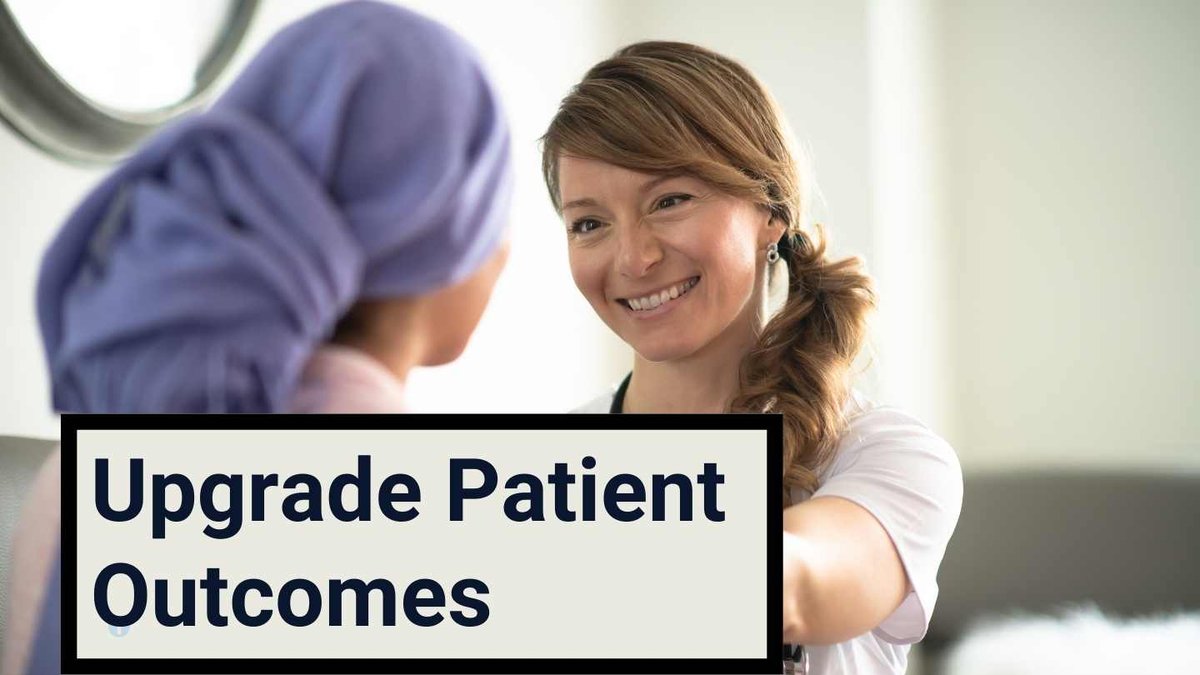
In healthcare, the true measure of excellence isn't just about quick fixes; it's about the lasting impact on people's lives. That's why understanding Long-Term Outcomes, Success Rates, and Patient Satisfaction is paramount. These aren't just buzzwords; they are the bedrock of quality care, the very essence of what makes a healthcare journey truly effective and fulfilling. When these elements align, patients heal better, systems improve, and trust flourishes.
At a Glance: What You'll Learn
- Holistic Health Measures: Why immediate treatment isn't enough; long-term well-being is the goal.
- Decoding "Success": How healthcare providers measure effectiveness and what those numbers really mean for you.
- Beyond the Clinical: The profound impact of patient experience and satisfaction on health outcomes and loyalty.
- The Symbiotic Relationship: How feeling heard and respected directly influences treatment adherence and recovery.
- Empowering Your Care: Best practices for providers and how you can advocate for better outcomes and satisfaction.
The Healthcare Compass: Navigating Quality Care Through Outcomes, Success, and Satisfaction
Imagine healthcare as a journey. A good journey isn't just about reaching your destination quickly; it's about the entire experience—the comfort, the clear directions, the reliable transport, and most importantly, arriving safely and feeling well-prepared for what's next. In healthcare, the "destination" is often a successful treatment, but the true journey encompasses your long-term outcomes, the specific success rates of interventions, and your overall patient satisfaction. These three pillars are inextricably linked, forming a comprehensive framework for what truly defines high-quality, patient-centered care.
For too long, healthcare focused primarily on immediate treatment results. Did the surgery go well? Was the infection cleared? While critical, these are only part of the story. Modern healthcare understands that true success extends far beyond the hospital doors, impacting your quality of life months and years down the line. It's about how you feel, how you function, and how confident you are in your care choices.
Decoding Long-Term Outcomes: Beyond the Immediate Fix
When we talk about long-term outcomes, we're looking at the lasting effects of healthcare interventions. This isn't just about whether a procedure worked today, but how it impacts your health, functionality, and overall well-being in the months and years that follow. Are you able to return to work? Can you enjoy your hobbies? Have your symptoms been significantly reduced or managed? These are the real questions that define long-term success.
Why Long-Term Outcomes Are the Real Goal
Focusing on long-term outcomes shifts the healthcare paradigm from reactive treatment to proactive, holistic well-being. It acknowledges that conditions, especially chronic ones, require ongoing management and that a successful intervention today should ideally prevent further complications tomorrow. For healthcare systems, better long-term outcomes translate directly into reduced readmission rates, lower overall costs, and a healthier population. For patients, it means a genuinely improved quality of life.
Consider, for example, a patient undergoing treatment for a chronic condition. An immediate "outcome" might be a temporary reduction in symptoms. However, the long-term outcome would involve sustained symptom control, improved daily functioning, and a higher overall quality of life, ideally without significant side effects from the treatment itself. This holistic view ensures that care is truly impactful.
Measuring What Matters: Metrics for Lasting Health
Measuring long-term outcomes requires looking beyond simple clinical data. It involves:
- Patient-Reported Outcomes (PROs) and PROMs: These are direct reports from patients about their health status, symptoms, functional ability, and quality of life. Tools like the RAPID3 for rheumatoid arthritis or generic quality-of-life questionnaires give a vital subjective perspective on how treatments affect daily living.
- Clinical Outcome Indicators: These are objective measures such as mortality rates, disease recurrence rates, complication rates, and the need for subsequent interventions. For specific conditions, this might include viral load for HIV or sustained virologic response (SVR) for Hepatitis C.
- Functional Status: Assessing a patient's ability to perform Activities of Daily Living (ADLs) like bathing, dressing, and eating, or Instrumental Activities of Daily Living (IADLs) like managing finances or preparing meals. Improvement here indicates a profound positive impact on independence.
- Readmission Rates: A critical metric, especially in value-based care models, where high readmission rates often signal inadequate post-discharge planning or care. Lowering these rates directly correlates with better long-term patient health and system efficiency.
These measurements help providers understand not just if a treatment was effective in the short term, but if it truly contributed to a patient's enduring health and happiness.
Unpacking Success Rates: What Does "Successful" Really Mean?
"Success rates" often refer to the quantifiable effectiveness of a specific treatment or procedure under ideal conditions. You might see a statistic that a certain surgery has a 90% success rate or a medication is effective in 75% of patients. These numbers offer a valuable benchmark, but it's crucial to understand their context.
The Nuance of Numerical Success
A high success rate in a clinical trial might not perfectly translate to every individual patient due to factors like pre-existing conditions, lifestyle, or genetic variations. For instance, weighing bunion surgery pros and cons often involves understanding success rates related to pain reduction and cosmetic improvement, but individual recovery times and potential for recurrence can vary widely.
Success rates typically fall into a few categories:
- Disease-Specific Success: This measures the direct impact on the targeted illness, like a cancer remission rate or the percentage of patients achieving blood pressure control.
- Symptom Resolution: How often a treatment alleviates or eliminates specific symptoms.
- Functional Improvement: The percentage of patients who regain lost function or improve their mobility after an intervention.
- Complication Rates: Conversely, low complication rates are a sign of successful and safe care delivery.
Interpreting Success: Beyond the Numbers
While important, success rates alone don't tell the whole story. A procedure might have a high technical success rate, but if the patient's long-term quality of life doesn't improve, or if they experience significant discomfort or secondary issues, the overall "success" from their perspective might be diminished. This highlights the crucial interplay between clinical success, long-term outcomes, and patient satisfaction.
Healthcare providers continuously strive to improve these rates through research, technological advancements, and refined clinical protocols. However, it's equally important for patients to have open conversations with their providers about what "success" would look like for them personally, factoring in their goals, values, and concerns.
The Human Element: Patient Satisfaction and Experience
Patient satisfaction is the subjective assessment of whether a patient's individual expectations about a healthcare experience were met. But it’s more than just a fleeting feeling; it’s deeply tied to patient experience, which is the sum of all interactions a patient has with a healthcare system—from the initial phone call to scheduling, receiving care, and even handling billing.
The Agency for Healthcare Research and Quality highlights key components of patient experience, including access to care, courtesy and respect, communication with clinicians, and shared decision-making. These aren't just "nice-to-haves"; they are fundamental to effective care.
Why Patient Satisfaction Isn't Just "Fluff"
You might think patient satisfaction is secondary to medical outcomes, but research consistently shows its profound impact:
- Higher Patient Retention and Loyalty: Satisfied patients are more likely to return for future care and recommend their providers to others, building a stronger patient base and reputation.
- Better Health Outcomes: Patients who feel valued and understood are more engaged in their care. They are more likely to adhere to treatment plans, keep appointments, and actively participate in self-management, leading to superior clinical results.
- Stronger Online Reputation: In today's digital age, online reviews heavily influence prospective patients. Positive experiences lead to positive reviews, enhancing a provider's reputation and attracting new patients.
- Increased Revenue: Hospitals with "excellent" patient ratings often demonstrate higher net margins, correlating patient satisfaction with better financial performance.
- Lower Readmission Rates: When patients have a positive experience, particularly around discharge planning, they are less likely to experience preventable readmissions.
The "4 Cs" of Patient Satisfaction
To foster a truly positive patient experience, many providers focus on the "4 Cs":
- Communication: Clear, empathetic, and timely information exchange.
- Care: High-quality clinical treatment delivered with kindness and respect.
- Comfort: A clean, welcoming, and physically reassuring environment.
- Convenience: Easy access to appointments, minimal wait times, and streamlined processes.
These elements collectively shape how patients perceive their care, directly influencing their satisfaction levels.
The Symbiotic Relationship: How They Influence Each Other
It's impossible to discuss long-term outcomes, success rates, and patient satisfaction in isolation because they operate in a powerful, intertwined feedback loop.
- Positive Patient Experience Fuels Better Outcomes: When you feel respected, informed, and involved in your care, you're far more likely to adhere to your treatment plan. You'll take your medications as prescribed, follow through on lifestyle changes, and attend follow-up appointments. This active engagement is a direct pathway to better long-term outcomes and higher success rates. Clear, compassionate communication, for instance, reduces anxiety and increases trust, making patients more receptive to medical advice.
- Strong Outcomes Lead to Higher Satisfaction: Conversely, when a treatment genuinely improves your health, reduces your pain, or restores your function over the long term, your satisfaction with that care naturally skyrockets. Seeing tangible results reinforces trust in your provider and the healthcare system. If a chronic condition is successfully managed for years, patients are incredibly satisfied.
- Satisfaction and Outcomes Boost Provider Performance: Hospitals and clinics with high patient satisfaction scores and strong outcome data attract more patients, secure better reimbursement rates (especially in value-based care models), and improve staff morale. Cooperative patients reduce stress for healthcare workers, leading to a more positive work environment and, in turn, better care.
This continuous cycle demonstrates that investing in any one of these areas naturally elevates the others. It's a holistic approach where clinical excellence meets compassionate care.
Best Practices for Healthcare Providers: Elevating All Three Pillars
Achieving superior long-term outcomes, high success rates, and exceptional patient satisfaction requires a deliberate, patient-centered strategy. Forward-thinking healthcare organizations implement a range of best practices:
1. Enhance Communication and Active Listening
- Plain Language: Clinicians should explain complex medical information in easy-to-understand terms, avoiding jargon.
- Active Listening Training: Staff should be trained to acknowledge, repeat, and ensure comprehension of patient concerns.
- Timely Feedback: Provide updates on treatment progress, test results, and next steps promptly. Real-time feedback tools focusing on provider communication can identify areas for improvement quickly.
2. Streamline Access and Efficiency
- Online Scheduling & Reminders: Offer convenient ways to book appointments and send automated reminders to reduce no-shows.
- Transparent Wait Times: Communicate estimated wait times clearly and offer updates if delays occur. Patient surveys can reveal optimal office hours and staffing needs.
- Telehealth Options: Provide virtual appointments for consultations, follow-ups, and managing chronic conditions, which significantly improves convenience and access, especially for those in remote areas or with mobility challenges.
3. Personalize Patient Engagement
- Tailored Interactions: Recognize and address patients by name, remember details from previous visits, and customize communications based on individual needs and preferences.
- Personalized Follow-Up: Send targeted post-visit messages, which strengthens the patient-provider connection and encourages adherence. AI can help craft these personalized communications.
4. Improve Facility Cleanliness and Comfort
- Regular Sanitation: Maintain impeccable hygiene standards throughout the facility.
- Comfort & Amenities: Provide comfortable seating, Wi-Fi, calming decor, optimized lighting, and reduced noise levels. Experiencing the facility from a patient's perspective can reveal overlooked details.
5. Leverage Digital Health Solutions and Technology
- Patient Portals: Offer secure online access to medical records, test results, appointment scheduling, and direct messaging with providers. This empowers patients to actively manage their care, particularly for chronic diseases.
- AI-Powered Tools: Utilize AI for predicting patient outcomes, personalizing treatment plans, improving medication adherence, and real-time patient monitoring, which helps providers make faster, more informed decisions.
- Electronic Health Records (EHRs): Ensure seamless information sharing among different providers and departments, improving care coordination and reducing errors.
- Integrated Specialty Pharmacy: Streamlining access to medication, especially limited distribution drugs (LDDs), can significantly improve adherence and outcomes by removing logistical barriers. Gathering feedback on telehealth platforms from both patients and providers is key to addressing any issues and optimizing their use.
6. Cultivate a Patient-Centric Culture
- Empathy and Bedside Manner Training: Conduct regular training for all staff on compassionate care, active listening, and appropriate bedside manner.
- Recognize & Reward: Highlight patient "kudos" in staff newsletters or meetings to reinforce positive behaviors and celebrate employees who embody a patient-first approach.
7. Provide Clear Billing Information
- Transparent Pricing: Offer clear estimates for services and provide itemized bills with understandable explanations.
- Dedicated Support: Have staff available to answer billing questions and direct patients to financial resources. Surveying patients after they receive their bill can help identify and address common questions.
8. Follow Up with Patients Post-Visit
- Timely Engagement: Contact patients within 24-48 hours after a visit or discharge.
- Satisfaction Surveys: Send personalized surveys to gather feedback on their experience and use this data for real-time improvements. Crucially, communicate back to patients when their feedback has led to positive changes, demonstrating that their voice matters.
9. Address Online Reviews and Feedback
- Monitor and Respond: Proactively monitor review platforms (e.g., Google, Yelp, Healthgrades) and respond to all feedback, positive or negative, empathetically and constructively.
- Encourage Reviews: Use experience management platforms to gently direct satisfied patients to preferred review sites.
10. Partner with a Patient Experience Platform
- These specialized platforms help gather, analyze, and act on real-time patient feedback, providing actionable insights to identify areas for improvement and enhance patient-provider communication across the entire care continuum.
Navigating Challenges on the Path to Excellence
Even with the best intentions, improving long-term outcomes, success rates, and patient satisfaction comes with its share of hurdles. Healthcare providers face complex challenges that require strategic solutions.
Resource Limitations
Budget constraints, staffing shortages (a growing concern with an estimated 83 million Americans in areas with physician shortages), and the high cost of new technologies can hinder progress.
- Actionable Strategy: Invest strategically in automation and technology that can increase efficiency and offload administrative burdens from staff, making the most of existing resources.
Communication Barriers
Language differences, varying levels of health literacy, and disabilities can impede clear communication.
- Actionable Strategy: Offer multilingual resources, implement assistive technologies (such as text-to-speech or larger fonts on patient portals), and utilize digital communication tools (secure messaging, QR codes linking to educational videos). Training staff in culturally appropriate care is also essential.
Integrating New Technologies
Implementing new systems like EHRs, AI, or telehealth platforms can be challenging due to platform incompatibility, staff resistance, and significant upfront costs.
- Actionable Strategy: Prioritize comprehensive staff training, implement new technologies in phases, and consider cloud-based solutions that offer greater flexibility and scalability. Involve staff in the selection and implementation process to foster buy-in.
Ensuring Consistency Across Multiple Locations
For larger health systems, maintaining a consistent standard of care, patient experience, and medication access across various clinics or hospitals can be difficult.
- Actionable Strategy: Standardize treatment protocols, leverage integrated specialty pharmacies for consistent medication access (especially for complex or limited distribution drugs), and implement centralized feedback systems to monitor performance across all sites.
Overcoming Health Equity and Social Determinants of Health (SDOH) Barriers
Factors like geographic location, socioeconomic status, transportation access, and cultural background significantly impact a patient's ability to achieve good long-term outcomes.
- Actionable Strategy: Implement community outreach programs, screen patients for SDOH, connect them with relevant social services, and offer flexible care delivery models (e.g., mobile clinics, home visits) to bridge gaps in access. Acknowledging these barriers is the first step toward building truly equitable care.
Your Role as a Patient: Empowering Your Healthcare Journey
While healthcare providers bear the primary responsibility for delivering quality care, you, as a patient, play a vital role in optimizing your own journey toward better long-term outcomes, success, and satisfaction.
- Be an Active Participant: Don't hesitate to ask questions. Clarify anything you don't understand about your diagnosis, treatment plan, medications, or expected recovery. The more informed you are, the better you can adhere to your care plan.
- Communicate Openly: Share your full medical history, symptoms, concerns, and personal goals with your care team. If you're struggling with a treatment, experiencing side effects, or facing barriers to following advice (like financial constraints or transportation issues), speak up. Your honesty helps providers tailor care more effectively.
- Provide Feedback: Whether through formal surveys, online reviews, or direct conversations, share your experiences. Positive feedback is encouraging, but constructive criticism is invaluable for helping providers identify weaknesses and make improvements. Remember, when you communicate that feedback has led to improvements, it strengthens the system for everyone.
- Understand Your Outcomes: Discuss what long-term success means for your specific condition and lifestyle. Ask about expected recovery timelines, potential challenges, and how your care team will monitor your progress over time. This helps you manage expectations and celebrate real progress.
- Advocate for Yourself: If something doesn't feel right, or if you feel unheard, speak up. Consider bringing a trusted friend or family member to appointments for support and to help take notes.
The Future of Quality Care: A Continuous Journey
The pursuit of superior long-term outcomes, high success rates, and unwavering patient satisfaction is not a destination, but a continuous journey of improvement. It demands a healthcare system that is not only clinically brilliant but also deeply human—one that prioritizes empathy, transparency, and innovation.
By embracing best practices, leveraging technology thoughtfully, and acknowledging the multifaceted challenges, healthcare providers can build environments where patients don't just get better, but truly live better long after their treatment concludes. And by engaging actively in your own care, you become a powerful partner in this vital endeavor, helping to shape a healthier, more satisfying future for everyone.