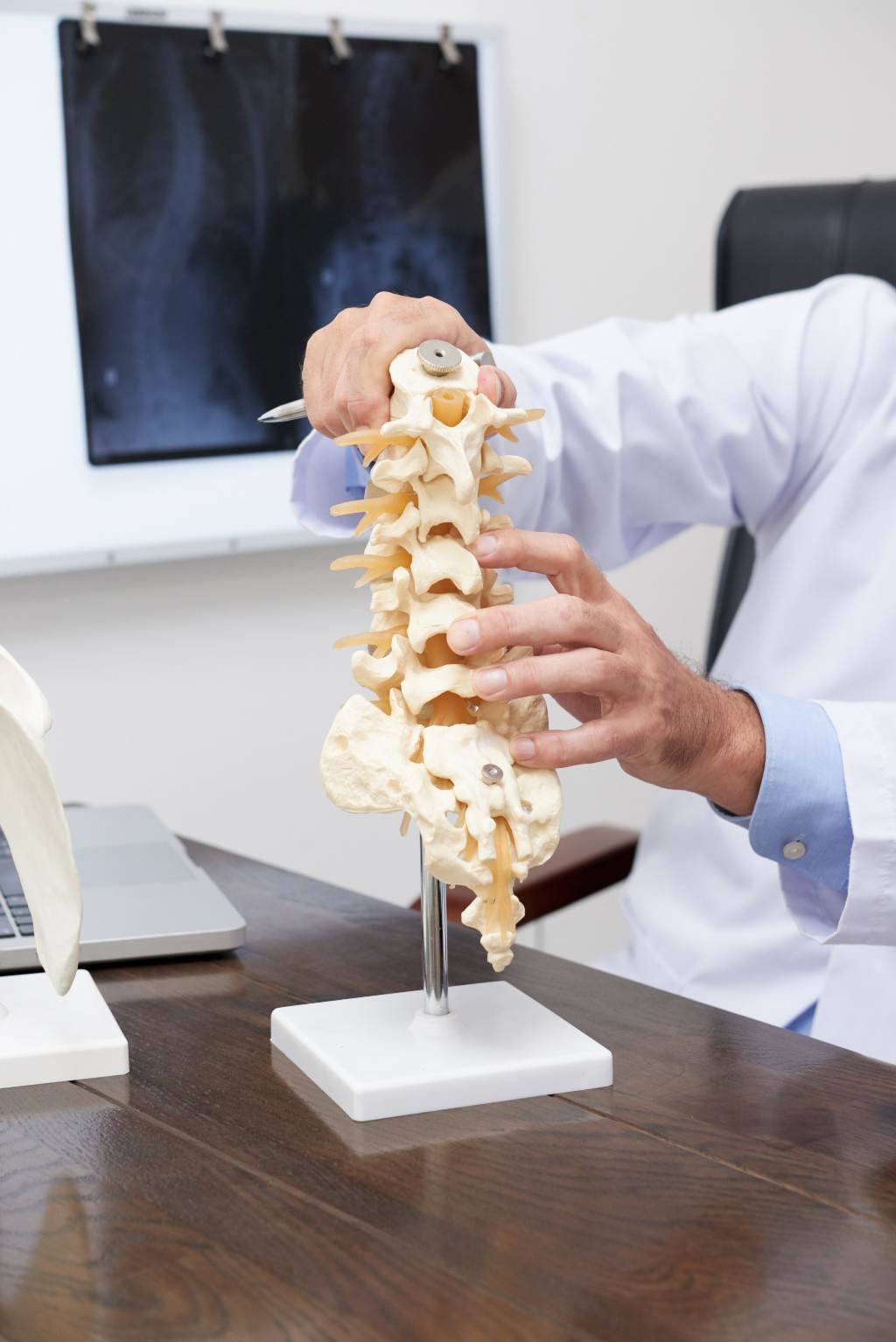
Few things are as disruptive as persistent pain or limited movement. When your joints, tendons, or ligaments are struggling, the thought of surgery can be daunting, but so is living with discomfort. The good news? For many, the first, most effective steps don't involve a scalpel. Even orthopedic surgeons like Dr. Pamela Mehta, who regularly performs joint surgeries, champion starting with non-surgical alternatives & when surgery becomes necessary is a conversation to have only after exploring these initial pathways.
This comprehensive guide will walk you through the powerful non-surgical options available today, help you understand their potential, and clarify the critical signs that indicate surgery might indeed be the necessary next step for lasting relief. Our goal isn't just to inform, but to empower you to make confident, well-informed decisions about your body and your future.
At a Glance: Key Takeaways for Your Joint Health Journey
- Surgery is rarely the first answer. Most joint issues benefit from non-surgical interventions first, aiming to support your body's natural healing and preserve your joints.
- Your body holds healing power. Treatments like Platelet-Rich Plasma (PRP) and Stem Cell therapy leverage your own biology to reduce pain, ease inflammation, and encourage repair.
- Movement is medicine. Guided physical therapy, targeted exercises, and balanced cross-training are fundamental to restoring function and preventing future injury.
- Everyday choices count. Rest, nutrition, and even psychological support play a vital role in recovery and long-term joint health.
- Know the red flags. Surgery might be necessary if pain is constant, your joint is unstable, non-surgical options have failed, or scans reveal irreparable damage.
- Modern surgery is evolving. Many procedures are now minimally invasive, offering quicker, smoother recoveries than in the past.
- Ask critical questions. Be cautious with "regenerative medicine" claims; always ensure treatments are backed by solid scientific evidence.
The First Line of Defense: Why Non-Surgical Options Matter
When you're facing joint pain or limited mobility, it's natural to want a quick fix. However, the human body is an incredible machine, often capable of significant repair given the right support. Dr. Pamela Mehta, a leading orthopedic surgeon, underscores this principle: while she expertly performs joint surgeries, her philosophy prioritizes non-surgical treatments as the initial approach. Why? Because these methods aim to support your body’s natural repair processes, preserve your existing joint structures, and often help you return to activity without the risks and downtime associated with surgery.
Think of it like tending a garden. Before you decide to replace a struggling plant, you first try improving the soil, watering it properly, and giving it the right nutrients. Similarly, your body often needs optimal conditions to heal itself. Non-surgical options are designed to create that ideal healing environment, reducing pain, restoring movement, and building resilience in your joints. This conservative approach doesn't just defer surgery; it often makes it entirely unnecessary, allowing you to get back to what you love with your natural joint intact.
Unpacking Your Non-Surgical Toolkit: Advanced Treatments & Therapies
The landscape of non-surgical joint care has expanded dramatically, moving beyond simple rest and ice to embrace sophisticated techniques that harness your body's own biology and modern therapeutic principles.
Orthobiologics: Tapping Your Body's Own Healing Power
Orthobiologics represent a frontier in regenerative medicine, using substances naturally found in your body to help heal and slow the progression of joint problems. These treatments are not about masking pain, but about creating an environment where true repair can begin.
Platelet-Rich Plasma (PRP): Your Blood's Healing Superpower
One of the most widely used and well-researched orthobiologic treatments is Platelet-Rich Plasma (PRP). Here's how it works:
- Harvesting: A small amount of your blood is drawn, similar to a routine blood test.
- Concentration: This blood is then spun in a centrifuge, separating out the platelet-rich plasma. This concentrated plasma contains platelets, which are tiny blood cells packed with powerful growth factors and healing proteins.
- Injection: The PRP is then precisely injected into the injured area – perhaps a knee joint, a shoulder tendon, or a ligament – often guided by ultrasound to ensure accuracy.
Once injected, these concentrated growth factors get to work, signaling to the body to reduce pain, ease inflammation, and support the healing and regeneration of damaged tissues. Patients often experience a reduction in swelling and stiffness, improved range of motion, and in some cases, a slowing of arthritis progression. Dr. Iafrate supports PRP for joint preservation, citing its quickness, effectiveness, and the strong body of literature backing its use. It's a remarkably simple and well-tolerated treatment, leveraging what your own body already has in abundance.
Stem Cells: Activating Deeper Repair
Stem cell therapy takes the concept of orthobiologics a step further, often used for more complex injuries or when deeper regenerative support is needed. These potent cells are typically harvested from your own bone marrow or fat tissue – common sites due to their abundance of adult mesenchymal stem cells.
Once introduced to an injured joint, tendon, or ligament, these stem cells don't necessarily become new joint tissue themselves. Instead, they act as powerful signaling cells, releasing a cascade of molecular messages that activate your body's existing repair cells. They can:
- Reduce inflammation.
- Modulate the immune response.
- Stimulate the growth of new blood vessels.
- Encourage the regeneration of damaged tissues.
This nuanced signaling capability makes stem cell therapy a powerful tool for encouraging comprehensive healing in areas that might otherwise struggle to recover.
Targeted Injections: Creating a Healing Environment
Beyond orthobiologics, other targeted injections can provide immediate relief and create a more favorable environment for a sore joint to begin healing. These might include corticosteroids for rapid inflammation reduction (though typically used sparingly due to potential long-term side effects) or hyaluronic acid injections to lubricate arthritic joints. The key is precise delivery, often using imaging guidance, to ensure the medicine reaches the exact area of concern.
Minimally Invasive Procedures: When "Almost" Surgical Helps
Sometimes, a problem persists that's beyond the reach of injections or therapy, but doesn't warrant full open surgery. This is where certain minimally invasive procedures, often performed in an outpatient setting, can bridge the gap.
Consider arthroscopic tenotomy for stubborn tendon pain. Instead of extensive cutting, this procedure involves tiny incisions and a small camera (arthroscope). The surgeon then carefully removes only the injured tendon fibers, leaving healthy tissue intact. This precise approach often provides significant relief with less trauma and a quicker recovery than traditional surgery, making it a valuable option when other non-surgical avenues have been exhausted.
Beyond the Clinic: Your Daily Blueprint for Joint Health & Recovery
Treatments are only one piece of the puzzle. A truly comprehensive recovery plan and a strategy for long-term joint health are deeply intertwined with your daily choices and habits. This isn't just about managing pain; it's about building a resilient body.
Movement as Medicine: Rebuilding Strength & Mobility
One of the most critical aspects of both recovery and prevention is intelligent, consistent movement.
- Guided Physical Therapy: This is your personalized roadmap to recovery. A skilled physical therapist will assess your specific injury and limitations, then guide you through exercises designed to restore your full range of motion. They'll help you regain flexibility, address imbalances, and teach you proper movement patterns to protect your joints.
- Targeted Strengthening Exercises: Strong muscles act as natural shock absorbers and stabilizers for your joints. Exercises specifically designed to strengthen the muscles surrounding your injured or vulnerable joints are paramount. For instance, strengthening the quadriceps, hamstrings, and glutes can significantly improve knee stability and reduce strain.
- Cross-Training Activities: Relying on one type of exercise can sometimes lead to overuse injuries. Incorporating cross-training activities like swimming, cycling, or resistance training (with proper form) is crucial. These activities build balanced strength throughout your body, avoid overloading any single joint or muscle group, and contribute to overall fitness, further protecting your joints and lowering your future injury risk.
Special Considerations: Protecting Athletes, Especially Young Women
Certain populations face unique joint health challenges. Young female athletes, for example, have a higher risk of ACL (anterior cruciate ligament) injuries compared to their male counterparts. This isn't just about sports intensity; it's often rooted in physiology:
- Growth Spurts: Girls typically experience earlier growth spurts, meaning their bones lengthen rapidly before neuromuscular control (the brain's ability to coordinate muscle movement) fully develops. This can lead to temporary awkwardness and less controlled movements.
- Hormonal Changes: Fluctuating hormones can affect ligament laxity, potentially making them more susceptible to injury.
- Biomechanics: Differences in landing mechanics, such as a tendency to land with knees "caving in," can put undue stress on the ACL.
Targeting specific muscles, such as the gluteus medius (a hip abductor muscle), can provide much better knee support and significantly reduce the risk of ACL and other knee injuries in this vulnerable population. Preventive training programs focusing on landing mechanics, strength, and proprioception are vital.
Holistic Health Habits: Supporting Your Body's Resilience
Beyond formal therapy and exercise, your everyday lifestyle choices profoundly impact your joint health:
- Adequate Rest: Your body repairs itself when you sleep. Chronic sleep deprivation can impede healing and increase inflammation.
- Balanced Nutrition: A diet rich in anti-inflammatory foods (fruits, vegetables, lean proteins, healthy fats) provides the building blocks for tissue repair and reduces systemic inflammation. Staying hydrated is also key for joint lubrication.
- Emotional Well-being: Persistent pain can be emotionally taxing. Seeking support from a sports psychologist or counselor can help you manage the emotional challenges, stress, and anxiety that often accompany injuries or chronic conditions. A healthy mind contributes to a healthy body.
- Preventive Training: Proactive measures, even if you're not currently injured, are essential. This includes regular stretching, maintaining a healthy weight to reduce joint load, and engaging in activities that promote core strength and balance.
The Tipping Point: When Surgery Enters the Conversation
Despite the power of non-surgical alternatives, there comes a time when surgery truly becomes necessary. It's not a failure of conservative treatment, but rather a recognition that the body's natural healing capacity, even with maximal support, has been exhausted for a particular injury. This decision should always be a thoughtful, shared process between you and your healthcare provider.
Clear Indicators It Might Be Time
How do you know when you've reached this tipping point? Here are the critical signs:
- Constant Pain Interferes with Daily Life: If pain is a relentless companion, disrupting basic activities like walking, climbing stairs, dressing yourself, or even preventing a good night's sleep, it's a strong signal. When your quality of life is severely compromised, surgery might offer the definitive relief you need.
- The Joint Feels Unstable or "Gives Out": A feeling that your joint is slipping, catching, or outright collapsing (like your knee buckling unexpectedly) indicates significant structural instability. This isn't just uncomfortable; it can be dangerous, increasing your risk of falls or further injury. Non-surgical methods often can't fully restore stability in such cases.
- Non-Surgical Treatments Have Been Ineffective: You've diligently pursued guided physical therapy, tried orthobiologics like PRP or stem cells, explored targeted injections, and made necessary lifestyle adjustments. If, after a dedicated and sustained effort (typically several months to a year or more, depending on the condition), your pain persists and function remains severely limited, it's a strong indicator that surgery may be the next logical step.
- Scans (X-rays, MRIs) Show Damage That Cannot Heal On Its Own: Diagnostic imaging can reveal the true extent of the problem. A torn ligament that cannot reattach, severe meniscal tears, advanced cartilage loss, or significant structural deformities are often beyond the body's self-repair capabilities, even with external assistance. In these scenarios, surgery becomes reconstructive or reparative, addressing damage that non-surgical means simply cannot fix.
Modern Surgical Realities: Less Invasive, Quicker Recovery
If surgery does become necessary, it's important to know that modern joint surgeries are often far different from the procedures of decades past. Advancements in techniques and technology mean that many operations are now:
- Minimally Invasive: Utilizing arthroscopic techniques (small incisions, tiny cameras, specialized instruments) to repair or reconstruct damaged tissues. This leads to less trauma to surrounding healthy tissue.
- Precise: Advanced imaging and robotic assistance can improve surgical accuracy.
- Smoother and Quicker Recoveries: Smaller incisions, less tissue disruption, and improved post-operative pain management protocols generally translate to less pain, faster healing, and a quicker return to weight-bearing and rehabilitation. For example, considering options like a bunion surgery, understanding these modern approaches can make a difference in your decision-making process. For many, the question of is bunion surgery worthwhile? becomes less about the fear of a long, arduous recovery and more about the potential for improved quality of life.
While surgery is never undertaken lightly, understanding the significant strides made in surgical techniques can alleviate some anxieties, allowing you to focus on the potential for restored function and long-term relief.
Proceeding with Care: Important Questions About Regenerative Treatments
The field of regenerative medicine is exciting and rapidly evolving, but it's also a landscape where caution is paramount. The promise of "healing from within" has led to a proliferation of treatments, and unfortunately, not all are backed by sound scientific evidence.
It's crucial to be an informed consumer and advocate for your health. Before proceeding with any regenerative medicine treatment, such as certain stem cell therapies or novel injection cocktails, you must ask critical questions:
- Is this therapy proven safe? Have there been rigorous clinical trials demonstrating its safety profile?
- Is it supported by research? Is there peer-reviewed, scientific literature from reputable sources that validates its effectiveness for your specific condition? Be wary of anecdotal evidence or claims based on a few isolated cases.
- What is the evidence? Ask your doctor to explain the research that supports the treatment they are recommending. A reputable practitioner should be able to provide you with studies, discuss their findings, and explain why they believe it's a good option for you.
Answering these questions transparently is the hallmark of ethical medical practice. Your health is too important to invest in unproven or potentially risky treatments.
Your Path Forward: Making Informed Decisions for Lasting Relief
Navigating joint pain or mobility issues can feel overwhelming, but you are not alone, and you have powerful choices. The journey to lasting relief is often a multi-stage process, beginning with the least invasive options and progressing only if absolutely necessary.
Embrace the power of non-surgical alternatives – from innovative orthobiologics like PRP and stem cell therapy to dedicated physical therapy and smart lifestyle choices. These strategies offer a robust first line of defense, designed to leverage your body's inherent capacity for healing and preserve your natural joints.
However, also be prepared to recognize the signs when surgery becomes the most effective, or even only, path forward. Modern surgical advancements mean that when it is truly needed, it can offer precise, long-lasting solutions with a manageable recovery.
Your ultimate goal is to regain function, reduce pain, and enhance your quality of life. This requires an open dialogue with your healthcare team, armed with knowledge and the confidence to ask discerning questions. By understanding the spectrum of non-surgical alternatives & when surgery becomes necessary, you empower yourself to make the best, most informed decisions for your unique body and future.